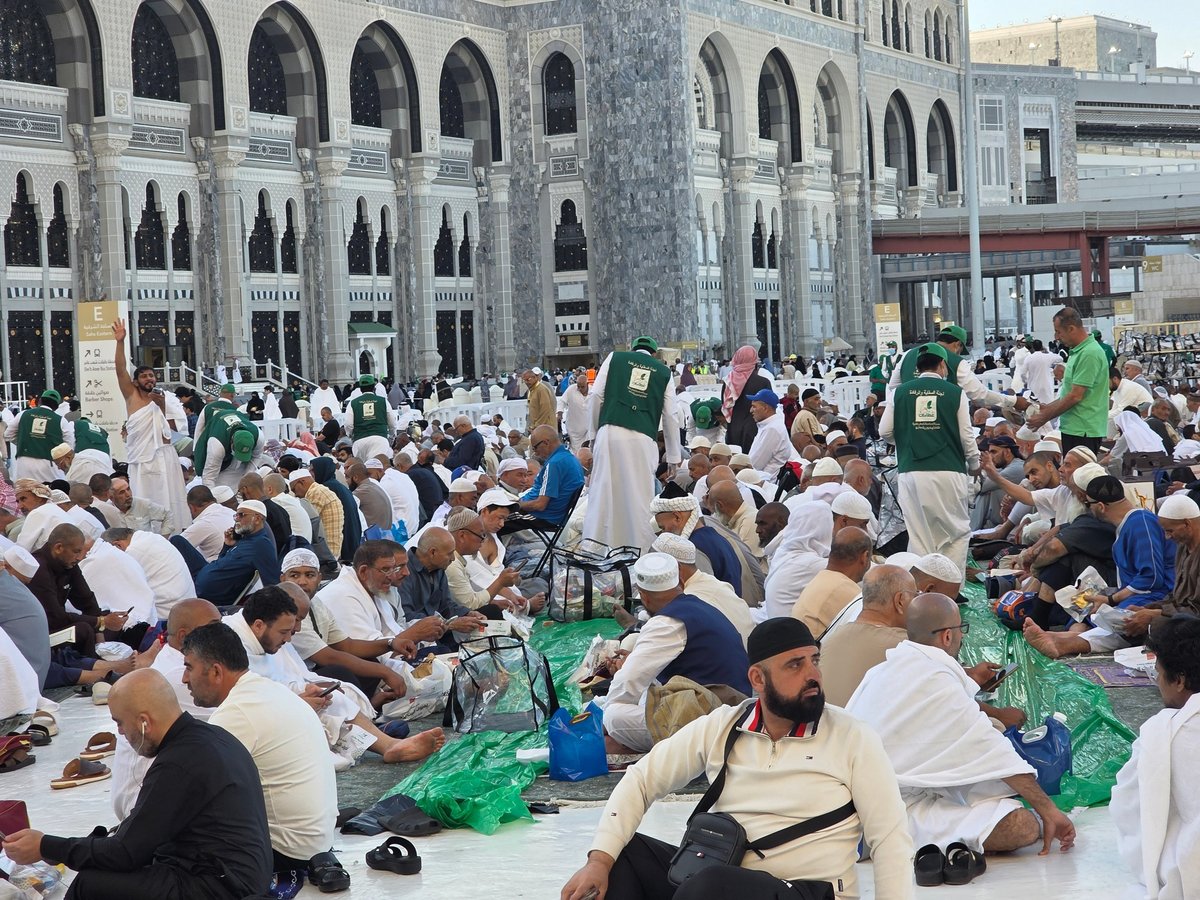
Health & SafetyDuring Your Pilgrimage
Practical guidance to protect your well-being during Umrah and Hajj, so you can focus on your worship with peace of mind.
Why Health & Safety Matters During Hajj & Umrah
Hajj and Umrah are physically demanding pilgrimages. Millions gather in a single location, often in extreme heat, creating unique health and safety considerations. Proper preparation and awareness can make the difference between a smooth spiritual journey and preventable hardship.
This guide covers essential precautions — from hydration and heat protection to crowd navigation and medical preparedness — so you can focus on what truly matters: your worship.
Heat Protection & Hydration
Beat the Heat
- •Drink at least 2-3 liters of water daily; carry a reusable bottle
- •Use an umbrella or wear a wide-brimmed hat for shade
- •Wear light-colored, loose-fitting cotton or linen ihram/clothing
- •Avoid peak sun hours (11 AM - 3 PM) for outdoor rituals when possible
- •Use portable fans and cooling towels during Tawaf and Sa'i
Signs of Dehydration & Heat Exhaustion
- •Dizziness or confusion — stop and seek shade immediately
- •Excessive sweating or dry skin — rehydrate with electrolytes
- •Headache, nausea, or muscle cramps — rest and drink water
- •Rapid heartbeat or fainting — seek emergency medical help
Medical Preparedness & Vaccinations
Required & Recommended Vaccinations
Mandatory
- • Meningococcal Meningitis (ACYW-135) — certificate required
- • COVID-19 — follow latest Saudi health guidelines
- • Yellow Fever — if arriving from endemic countries
- • Polio — for travelers from affected regions
Strongly Recommended
- • Seasonal Influenza
- • Hepatitis A & B
- • Tetanus booster
- • Typhoid
What to Pack: Medical Kit
First Aid Essentials
- • Bandages & blister plasters
- • Antiseptic wipes & cream
- • Pain relievers (paracetamol/ibuprofen)
- • Rehydration salts / electrolytes
Personal Medications
- • Prescriptions (bring enough for entire trip)
- • Doctor's note for controlled medicines
- • Antihistamines for allergies
- • Anti-diarrheal medication
Comfort Items
- • Sunscreen (SPF 50+)
- • Lip balm with SPF
- • Hand sanitizer (alcohol-free for Ihram)
- • Face masks (N95/KN95)
Crowd Safety & Navigation
Crowd Management Tips
- •Perform Tawaf and Sa'i during off-peak hours (after Isha or before Fajr) when possible
- •Use the upper floors of the Haram for Tawaf — less crowded than the mataf (ground floor)
- •Stay with your group; designate a meeting point in case of separation
- •Avoid sudden stops in crowded areas — move to the side first
Emergency Preparedness
- •Save emergency numbers: 997 (ambulance), 911 (Saudi emergency)
- •Know the location of medical stations in the Haram and at Mina/Arafah
- •Wear ID bracelet with name, hotel, and emergency contact in English & Arabic
- •Share your live location with group members via WhatsApp or Find My
Physical Preparation & Foot Care
Foot Care
Wear comfortable, well-broken-in sandals. Apply Vaseline between toes to prevent chafing. Pack moleskin blister pads — you will walk 15-20 km/day during Hajj.
Build Stamina Before Travel
Walk 5-10 km daily for 2-4 weeks before departure. Practice stairs climbing. Hajj involves extensive walking between sites.
Rest & Recovery
Prioritize sleep. Take short naps between rituals. Don't exhaust yourself trying to pray every salah in the Haram — rest when your body needs it.
On-Site Health Facilities
Healthcare in the Holy Sites
The Saudi Ministry of Health deploys extensive medical infrastructure during Hajj and throughout the year for Umrah:
- •Makkah: Multiple hospitals and primary care centers around the Haram
- •Mina: Field hospitals and emergency tents during Hajj
- •Arafah: Mobile clinics and ambulances on standby
- •Muzdalifah: First-aid stations throughout the area
Healthcare App: Sehhaty
Download the official Saudi Ministry of Health app "Sehhaty" before traveling:
- •Locate nearest hospitals and pharmacies
- •Book medical appointments in Makkah & Madinah
- •Access your vaccination records digitally
- •Available in English, Arabic, Urdu, and other languages
For Pilgrims with Chronic Conditions
Diabetic Pilgrims
- • Carry fast-acting glucose at all times
- • Monitor blood sugar more frequently due to heat and exertion
- • Keep insulin cool with insulated pouches
- • Inform your group leader about your condition
Heart & Respiratory Conditions
- • Consult your doctor before booking your pilgrimage
- • Carry all medications in hand luggage with prescriptions
- • Avoid peak crowds — use wheelchair services if needed
- • Request ground-floor accommodation to minimize stairs
Stay Safe. Stay Prepared.
Access our complete library of pilgrimage resources and plan every detail of your journey with confidence.