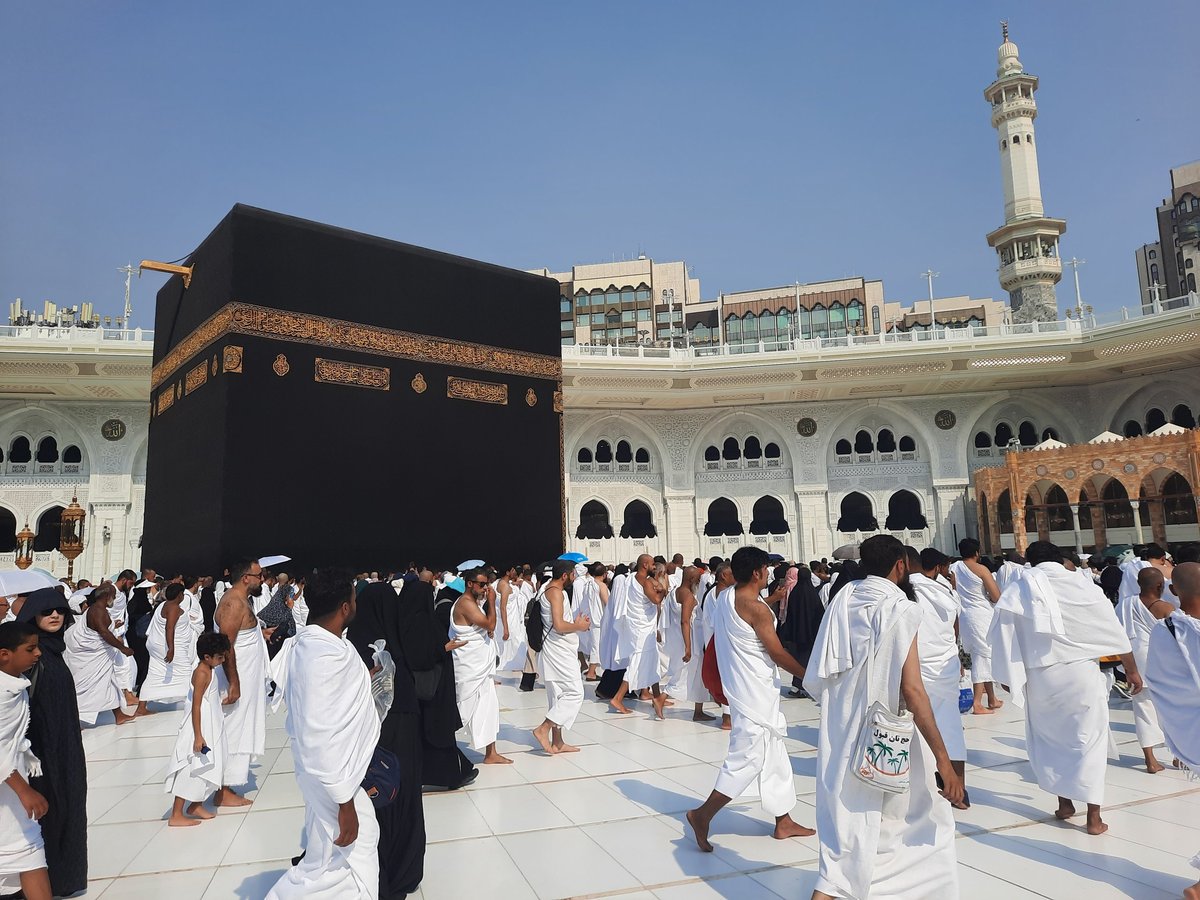
Common Mistakes& How to Avoid Them
Every pilgrim wants to perform their rites correctly. Learn from the most frequent errors so your Umrah and Hajj are complete, valid, and pleasing to Allah.
Why Mistakes Happen
Pilgrimage is a profound spiritual journey, but its complexity means errors are common — even among experienced pilgrims. Many mistakes stem from lack of knowledge, language barriers, crowd pressure, or simply forgetting the correct sequence under emotional and physical strain.
The good news: most mistakes are easily avoidable once you know what to look for. This guide covers the most frequent errors in each ritual, their consequences, and exactly how to correct them — so your Umrah and Hajj remain valid and complete, insha'Allah.
Important: Mistakes made out of genuine forgetfulness or ignorance are forgiven by Allah's mercy. The purpose of this guide is to help you strive for excellence (ihsan) — not to cause anxiety. Seek knowledge, do your best, and trust in Allah.
Mistakes in Ihram
Ihram is the sacred state you enter before performing Umrah or Hajj. These mistakes can invalidate or diminish your Ihram.
1. Passing the Miqat Without Entering Ihram
The Mistake
Flying into Jeddah or Madinah and traveling to Makkah without first entering Ihram at the designated Miqat. Some pilgrims wait until they reach their hotel in Makkah, which is too late.
The Correction
Enter Ihram BEFORE crossing the Miqat boundary. On the plane, the captain announces when you approach the Miqat — be ready in your Ihram garments. If you missed it, you must return to the nearest Miqat or offer a sacrifice (dam).
2. Applying Perfume or Scented Products
The Mistake
Using scented soap, shampoo, deodorant, or perfume after entering Ihram. Many pilgrims apply itr (perfume oil) to their Ihram garments, which is prohibited. Even scented wet wipes count.
The Correction
Use ONLY unscented products. Bring unscented soap, unscented deodorant (or skip it), and plain white Ihram sheets. Apply any desired perfume BEFORE making the intention for Ihram, not after.
3. Wearing Stitched Clothing (Men)
The Mistake
Men wearing underwear, socks, stitched sandals, or shirts under their Ihram. Some wear a belt with stitched pouches or caps that cover the head.
The Correction
Men wear ONLY two unstitched white sheets. Use a money belt that wraps around the waist without stitching. Wear simple flip-flops or sandals that leave the ankle and top of foot exposed. No caps, turbans, or head coverings.
4. Cutting Hair or Nails in Ihram
The Mistake
Trimming nails, cutting hair, or shaving any body hair while in the state of Ihram. Some pilgrims absentmindedly trim a broken nail or pluck a hair.
The Correction
Clip nails, trim mustache, and groom BEFORE putting on Ihram garments. If a nail breaks during Ihram, leave it alone until you exit Ihram. A fidya (expiation) is due for deliberate cutting — either fast 3 days, feed 6 poor people, or sacrifice a sheep.
5. Not Making a Clear Intention (Niyyah)
The Mistake
Putting on Ihram garments but not verbally stating the intention for Umrah or Hajj. Some think wearing the clothes is enough, or they mumble it inaudibly without certainty.
The Correction
State your intention clearly and verbally after praying 2 rak'ahs at the Miqat. Say: "Allahumma labbayk Umratan" (for Umrah) or "Allahumma labbayk Hajjan" (for Hajj). Combine with Qiran or Tamattu if applicable. Begin Talbiyah immediately after.
Mistakes in Tawaf
Tawaf is the act of circling the Ka'bah seven times. These common errors can affect your Tawaf's validity.
1. Not Maintaining Wudu Throughout Tawaf
The Mistake
Starting Tawaf with wudu but losing it mid-Tawaf and continuing. Many pilgrims ignore the need to renew wudu, especially during busy times when exiting the mataf is difficult.
The Correction
Use the restroom before starting Tawaf. If you lose wudu during Tawaf, you must exit, renew wudu, and continue from where you stopped — do not restart the entire Tawaf. According to the Hanafi school, Tawaf without wudu is valid but requires a sacrifice.
2. Counting Rounds Incorrectly
The Mistake
Losing count of rounds, especially in large crowds. Some pilgrims do only 6 rounds thinking they completed 7, or do 8 rounds out of doubt, which adds an unnecessary round.
The Correction
Use a tasbih counter, your fingers, or a companion to help track. Each round starts and ends at the Black Stone line. If in doubt, assume the lower number and do the round again. Completing 8 rounds intentionally is an innovation — stop at 7.
3. Not Keeping the Ka'bah on Your Left
The Mistake
Walking clockwise instead of counter-clockwise, or turning your back to the Ka'bah during Tawaf. This happens when pilgrims get disoriented in dense crowds.
The Correction
The Ka'bah must remain on your LEFT side throughout all 7 rounds. Walk counter-clockwise. If you accidentally face the Ka'bah or turn your back to it, re-do that portion of the round while keeping it on your left.
4. Pushing & Shoving to Kiss the Black Stone
The Mistake
Fighting through crowds, pushing women and elderly, and causing harm to reach and kiss the Black Stone (Hajar al-Aswad). This is one of the most common — and serious — mistakes.
The Correction
Kissing the Black Stone is Sunnah — harming a fellow Muslim is haram. If the area is crowded, simply point your right hand toward it from a distance, say "Allahu Akbar," and kiss your hand. This carries the same reward without causing harm.
5. Performing Raml (Brisk Walk) in All 7 Rounds
The Mistake
Walking briskly (Raml) for all 7 rounds instead of only the first 3. Some even run or jog aggressively, bumping into others throughout the entire Tawaf.
The Correction
Raml (uncovering the right shoulder and walking briskly) applies only to the FIRST 3 rounds of Tawaf al-Qudum (arrival Tawaf). Rounds 4-7 are walked at a normal, calm pace. Women do not perform Raml at all.
Mistakes in Sa'i
Sa'i is the ritual of walking seven times between Safa and Marwah. These are the most frequent mistakes pilgrims make during this rite.
1. Not Starting at Safa
The Mistake
Starting Sa'i from Marwah instead of Safa. Some pilgrims enter the Sa'i area from the Marwah side and begin walking from there, which invalidates the first trip.
The Correction
ALWAYS start at Safa. The Qur'an states: "Indeed, Safa and Marwah are among the symbols of Allah" (2:158), mentioning Safa first. Climb Safa, face the Ka'bah, make dua, then descend toward Marwah. Each trip from Safa to Marwah counts as one, and Marwah back to Safa counts as the next.
2. Not Walking the Full Distance
The Mistake
Cutting corners or not completing the full distance between Safa and Marwah. In crowded conditions, some pilgrims turn back before reaching the opposite hill, thinking they've gone far enough.
The Correction
Walk the entire distance from hill to hill. Your entire body must pass the starting point of each hill for the trip to count. Don't stop short — continue until you're certain you've reached the next hill marker.
3. Running Between the Green Lights (Women)
The Mistake
Women running or jogging between the two green markers. This area is marked for men to walk briskly (Raml-style), commemorating Hajar (AS)'s running between the two hills in search of water.
The Correction
Women walk normally throughout the entire Sa'i — no running or brisk walking between the green lights. This ruling is according to all four madhhabs. The green markers indicate where men may quicken their pace, not women.
4. Miscounting the Number of Trips
The Mistake
Counting Safa to Marwah as one trip and Marwah to Safa as another (correct), but losing count mid-way. Some end at Safa after 7 trips (wrong — should end at Marwah), or do 8 trips out of doubt.
The Correction
Count carefully: Safa to Marwah = Trip 1, Marwah to Safa = Trip 2, Safa to Marwah = Trip 3, and so on. You MUST end at Marwah on the 7th trip. Use a tasbih counter or your fingers. If in doubt, assume the lower count and continue.
5. Not Making Dua on Safa & Marwah
The Mistake
Rushing up Safa and Marwah without stopping to make dua while facing the Ka'bah. Many pilgrims treat Sa'i as a physical exercise and forget its spiritual dimension.
The Correction
At each hill, climb enough to see the Ka'bah (if visible), face it, raise your hands, and make heartfelt dua. Recite "Allahu Akbar" three times, followed by the Sunnah duas. This is one of the places where duas are especially accepted.
Mistakes That Apply Across All Rituals
Some errors aren't specific to one ritual — they occur throughout the pilgrimage. Avoid these to keep your entire journey spiritually intact.
Neglecting Wudu Before Worship
Many pilgrims forget to renew wudu before Tawaf or entering Masjid al-Haram. Make a habit of using the restroom and performing fresh wudu before every ritual. Carry unscented wet wipes for refreshment.
Pushing & Causing Harm to Others
Harming a fellow Muslim is haram. Pushing to touch the Black Stone, shoving during Tawaf, or being aggressive at the Jamarat defeats the spiritual purpose. Be patient, gentle, and give way to the elderly and women.
Rushing Through Rituals
Treating Tawaf, Sa'i, or other rituals as checkboxes to tick off quickly. Pilgrimage is about quality, not speed. Take your time. Make dua throughout. The reward of unhurried worship far exceeds that of rushed completion.
Not Learning the Fiqh Before Going
Arriving in Makkah without knowing the basic rulings of Umrah or Hajj. Many mistakes are preventable with a few hours of study. Read a concise guide, watch reliable videos, or attend a pre-pilgrimage seminar before traveling.
Engaging in Arguments & Disputes
Allah commands in the Qur'an: "There is no rafath (obscenity), no fusooq (sin), and no jidal (arguing) during Hajj" (2:197). Arguments over logistics, lost items, or crowded spaces nullify the spiritual tranquility of Ihram. Let things go.
Focusing on Photography Over Worship
Spending excessive time taking photos and selfies during Tawaf, at Arafat, or in front of the Ka'bah. Your phone will not testify for you on the Day of Judgment. Capture a few memories, then put the phone away and focus entirely on your Lord.
Strive for Ihsan in Your Worship
The Prophet (peace be upon him) said: "Ihsan is to worship Allah as if you see Him, and if you cannot see Him, know that He sees you." Knowledge of these mistakes is the first step — now apply what you've learned.