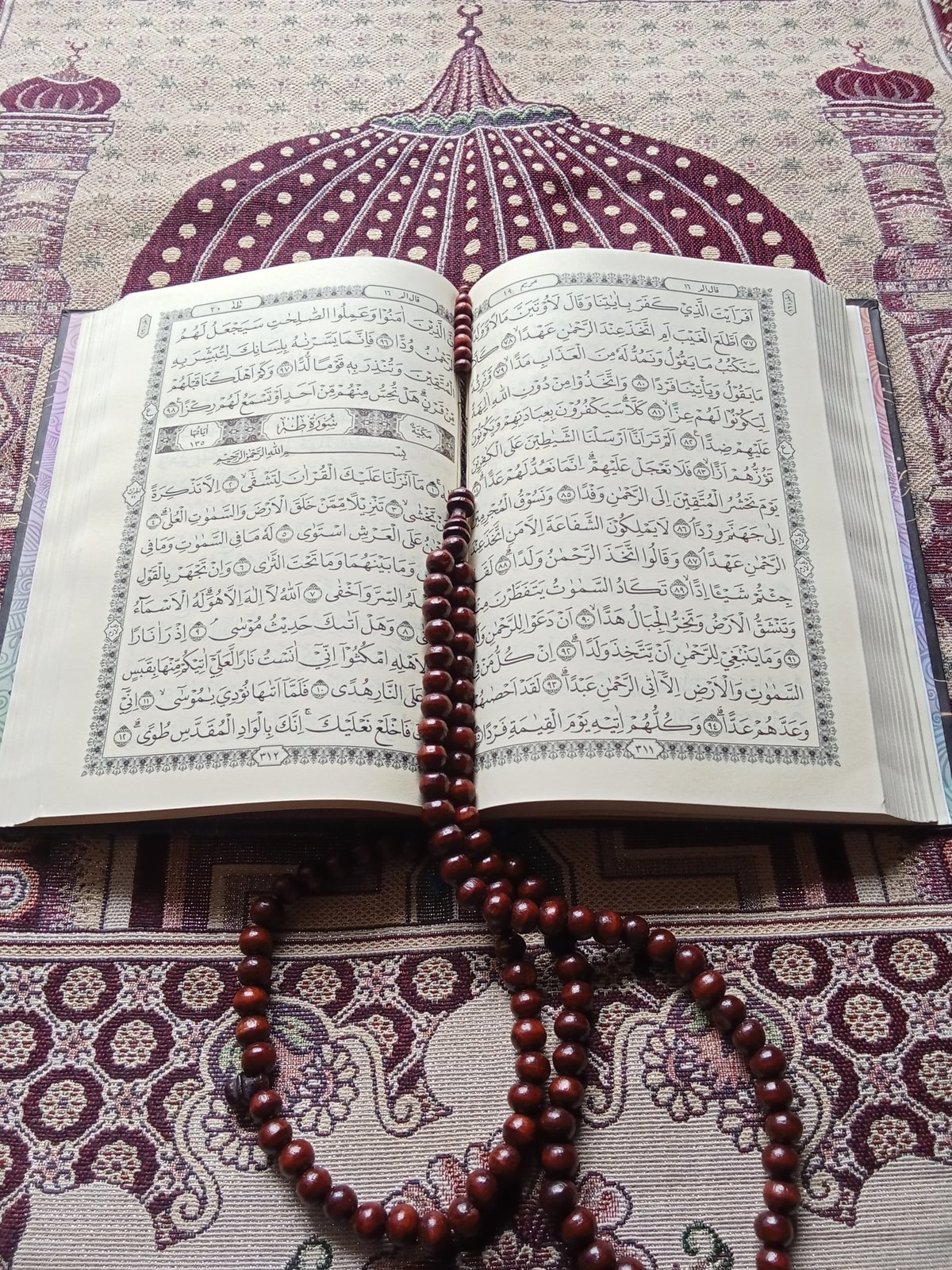
Etiquette & Sacred Conduct
Pilgrimage is not just about rituals — it's about embodying the highest character. Learn the etiquette that transforms your journey into an act of sincere devotion.
The Spirit of Pilgrimage Etiquette
Every action during your pilgrimage is an act of worship when done with the right intention and character.
Patience (Sabr)
Crowds, heat, and fatigue will test you. Embrace them as opportunities to grow closer to Allah. The Prophet ﷺ said: 'The reward of patience is Paradise.'
Humility (Tawadu')
In Ihram, all stand equal before Allah — rich and poor, young and old. Let go of pride, status, and worldly distinctions. Your garment of two white sheets is a reminder that in the grave, we all return the same.
Respect for Sacred Space
You are a guest in the House of Allah. Every corner of the Haram deserves reverence. Lower your voice, avoid idle talk, and remain in a state of wudu as much as possible.
Brotherhood & Sisterhood
Millions of believers from every corner of the earth gather in one place. Smile at your fellow pilgrims, make space in the row, share your water and dates. This unity of the Ummah is a glimpse of the Day of Judgment.
Dress Code & Personal Presentation
Your appearance during pilgrimage reflects your inner state of devotion and respect for the sacred journey.
Ihram Garments
The sacred state of consecration
- •Men wear two unstitched white sheets — one wrapped around the waist (izar) and one draped over the shoulders (rida)
- •Women wear modest, loose-fitting clothing that covers the entire body except the face and hands — any color is acceptable, though white is preferred
- •Footwear must not cover the ankle bone and top of the foot for men — use sandals or flip-flops
- •Garments should be clean, simple, and free of perfume or scented products
- •Avoid clothing with visible stitching on the upper body for men during Ihram
General Dress Guidelines
Throughout your stay in the Holy Cities
- •Dress modestly at all times — loose, non-transparent clothing that covers the awrah
- •Women should bring a headscarf (hijab) and an abaya for ease of movement in crowded areas
- •Avoid clothing with offensive slogans, distracting patterns, or national flags
- •Pack lightweight, breathable fabrics suitable for the desert climate — cotton and linen are ideal
- •Bring a spare ihram set — accidents and spills happen, and you want to maintain a clean appearance
Personal Hygiene & Grooming
Balancing cleanliness with Ihram restrictions
- •Use unscented soap, shampoo, and deodorant while in Ihram — scented products are prohibited
- •Brush your teeth with a miswak or unscented toothpaste
- •Clip your nails and trim your moustache before entering Ihram — these are prohibited afterward
- •Wear sunscreen (unscented) and bring an umbrella — the sun is intense and protection from illness takes priority
- •Apply unscented moisturizer to prevent skin cracking from dry heat
Mosque & Haram Etiquette
You are entering the most sacred spaces on earth. These guidelines help you honor them properly.
Entering the Mosque
- Enter with your right foot first
- Recite the masjid entry dua: 'Allahumma iftah li abwaba rahmatik'
- Remove footwear before entering the prayer area
- Enter in a state of wudu
- Avoid rushing or pushing through crowds
During Prayer
- Fill gaps in rows and stand shoulder-to-shoulder
- Keep mobile phones completely silent — not even vibrate
- Avoid praying directly in front of someone seated or in walkways
- Do not cross in front of someone who is praying — use a sutrah if needed
- Avoid reciting aloud during silent prayers (Dhuhr and Asr)
Around the Ka'bah
- Do not push or shove to reach the Black Stone — a gesture from afar is sufficient
- Avoid stopping abruptly in the Tawaf path — move to the side if you need to pause
- Respect the Maqam Ibrahim area — don't linger after your prayer when others are waiting
- Keep the flow moving during Tawaf — walk at a steady pace and stay to the right in busy areas
- Never turn your back to the Ka'bah unnecessarily
General Conduct
- Lower your voice — the mosque is a place of tranquility, not conversation
- Avoid taking excessive photos or videos — focus on worship, not documentation
- Do not eat or drink inside the prayer hall (Zamzam areas are the exception)
- Refrain from worldly discussions about business, politics, or gossip
- Be mindful of sitting areas — don't block pathways or spread belongings across wide spaces
Interacting with Fellow Pilgrims
How you treat others during Hajj and Umrah is a direct reflection of your faith. The Prophet ﷺ said: "The best of you are those best in character."
Crowd Navigation
Move calmly through crowds. Say 'excuse me' gently. If someone bumps you, respond with a smile and 'Alhamdulillah'. Never shove elderly pilgrims or women.
Helping Others
Offer water to those around you. Help an elderly pilgrim stand after prayer. Guide a lost person. Every small kindness is multiplied in these sacred lands.
Avoiding Conflict
Satan's goal is to ruin your worship through anger. If someone is rude, respond with gentleness or walk away. Raising your voice in the Haram is a serious matter.
Key Social Reminders
Learn basic greetings in Arabic, Urdu, Malay, and Turkish — a smile and 'Salam' goes a long way
Do not photograph people without explicit permission, especially women
If you need to pass through a seated row, ask permission gently rather than stepping over people
Avoid prolonged hugging or emotional reunions that block walkways and doors
During peak times, accept that you may pray in less-than-ideal spots — flexibility is part of the journey
Refrain from nationalistic chants or group slogans — focus on Talbiyah and dhikr instead
Spiritual & Devotional Etiquette
True etiquette begins in the heart. These inward practices purify your intentions and deepen your connection with Allah.
Sincerity of Intention (Ikhlas)
Constantly renew your intention that every step, every prayer, every round of Tawaf is purely for Allah. Avoid showing off or seeking praise from others. Ask yourself before each ritual: 'Am I doing this for Allah or for people to see?'
Constant Remembrance (Dhikr)
Fill every moment with dhikr — while walking, waiting, eating, and resting. Recite the Talbiyah frequently. The idle moments between rituals are precious opportunities, not wasted time. Carry a tasbih or use your fingers to count.
Du'a Etiquette
Face the Qiblah when making du'a. Raise your hands to shoulder level. Begin by praising Allah and sending salawat upon the Prophet ﷺ. Ask with certainty and persistence. Cry if you can — tears in these lands are a sign of a soft heart. Make du'a for others before yourself.
Quran Recitation
Carry a pocket-sized mushaf. Recite with proper tajweed, even if slowly. The reward for each letter is multiplied in these blessed lands. Set a goal — one juz per day is achievable if spread across prayer times. If you can't recite, listen attentively to recitations near you.
Guarding the Tongue
Your tongue can destroy what your feet have earned. Avoid backbiting, complaining about heat or crowds, arguing about fiqh in the Haram, and mocking other pilgrims' styles of worship. The default state of your speech should be dhikr, Quran, or beneficial silence.
Cultural Sensitivity & Cross-Cultural Etiquette
You will encounter Muslims from every culture on earth. Approach differences with curiosity and respect — this diversity is a sign of Allah's greatness.
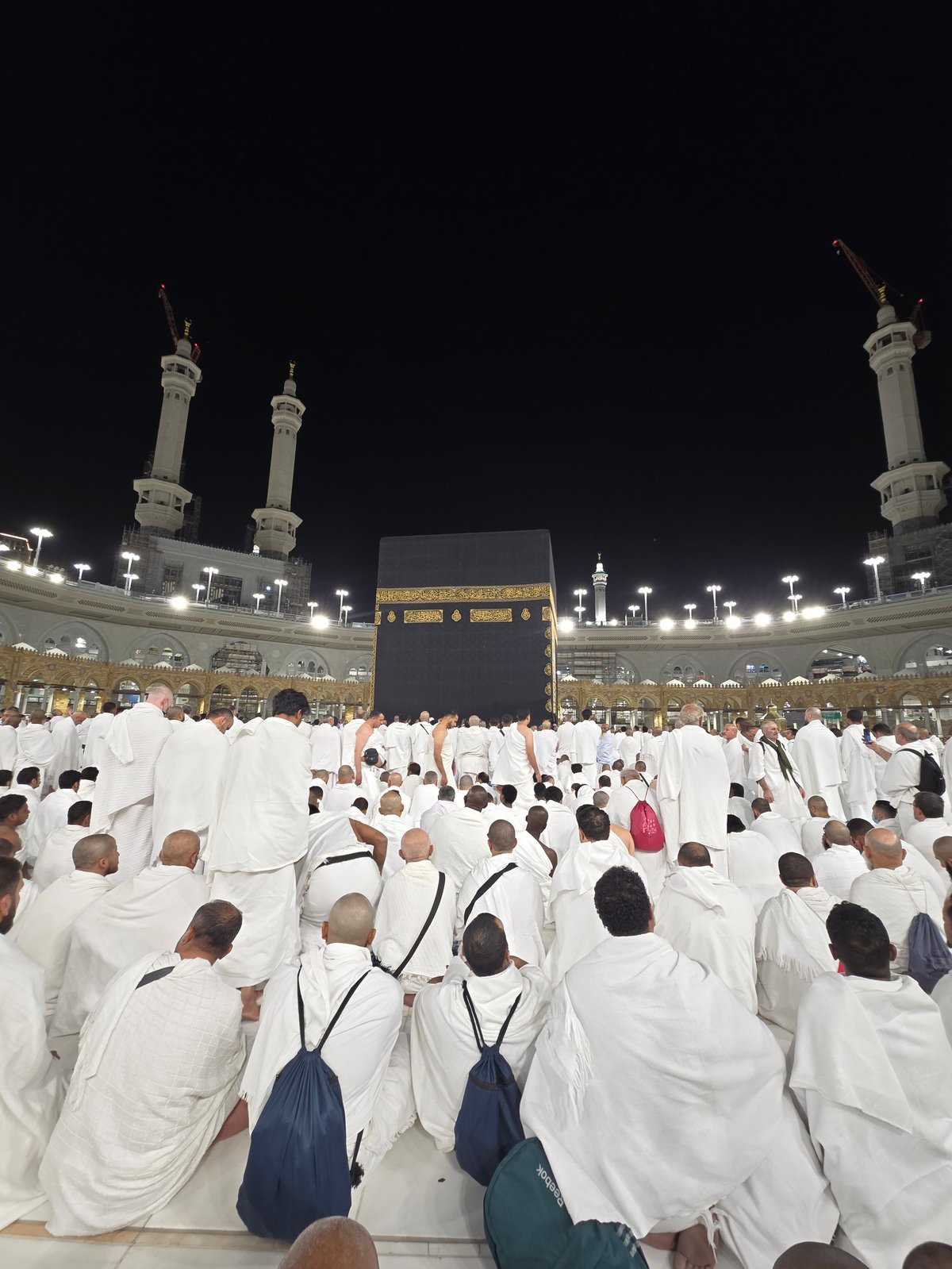
The diversity of the Ummah gathered in front of the Ka'bah is a testament to Islam's universal message.
Embrace Differences
Some pilgrims may pray slightly differently, dress differently, or express devotion in ways unfamiliar to you. Scholars throughout history have differed on minor fiqh matters — focus on what unites you.
Language Barriers
Learn a few key phrases in Arabic, Urdu, and Bahasa. A warm 'Assalamu alaykum' and a smile transcend all language barriers. Use gestures kindly if you can't communicate verbally.
Gender Interaction
Be especially mindful of interactions across genders. Avoid physical contact with the opposite gender in crowds where possible. Men should not enter women-only areas and vice versa.
Photography & Phones
Avoid framing other pilgrims — especially women — in your photos and videos without consent. Put your phone away during Tawaf and Sa'i — live the moment instead of recording it.
Dos & Don'ts at a Glance
A quick-reference summary to keep your conduct aligned with the spirit of pilgrimage.
Do This
- Smile and greet fellow pilgrims with Salam
- Offer help to the elderly and those in need
- Keep spare water bottles to share
- Learn and recite the Talbiyah frequently
- Maintain wudu throughout the day
- Be patient with long waits and large crowds
- Pick up litter and keep sacred spaces clean
- Make du'a for your family, community, and the entire Ummah
- Thank the workers, cleaners, and volunteers who serve the pilgrims
Don't Do This
- Push, shove, or elbow through crowds
- Raise your voice in argument or anger
- Photograph people without their permission
- Litter or leave trash behind
- Engage in idle gossip or backbiting
- Block walkways by sitting or standing in groups
- Use scented products while in Ihram
- Cut in prayer lines or step over seated worshippers
- Waste time on social media while in the Haram